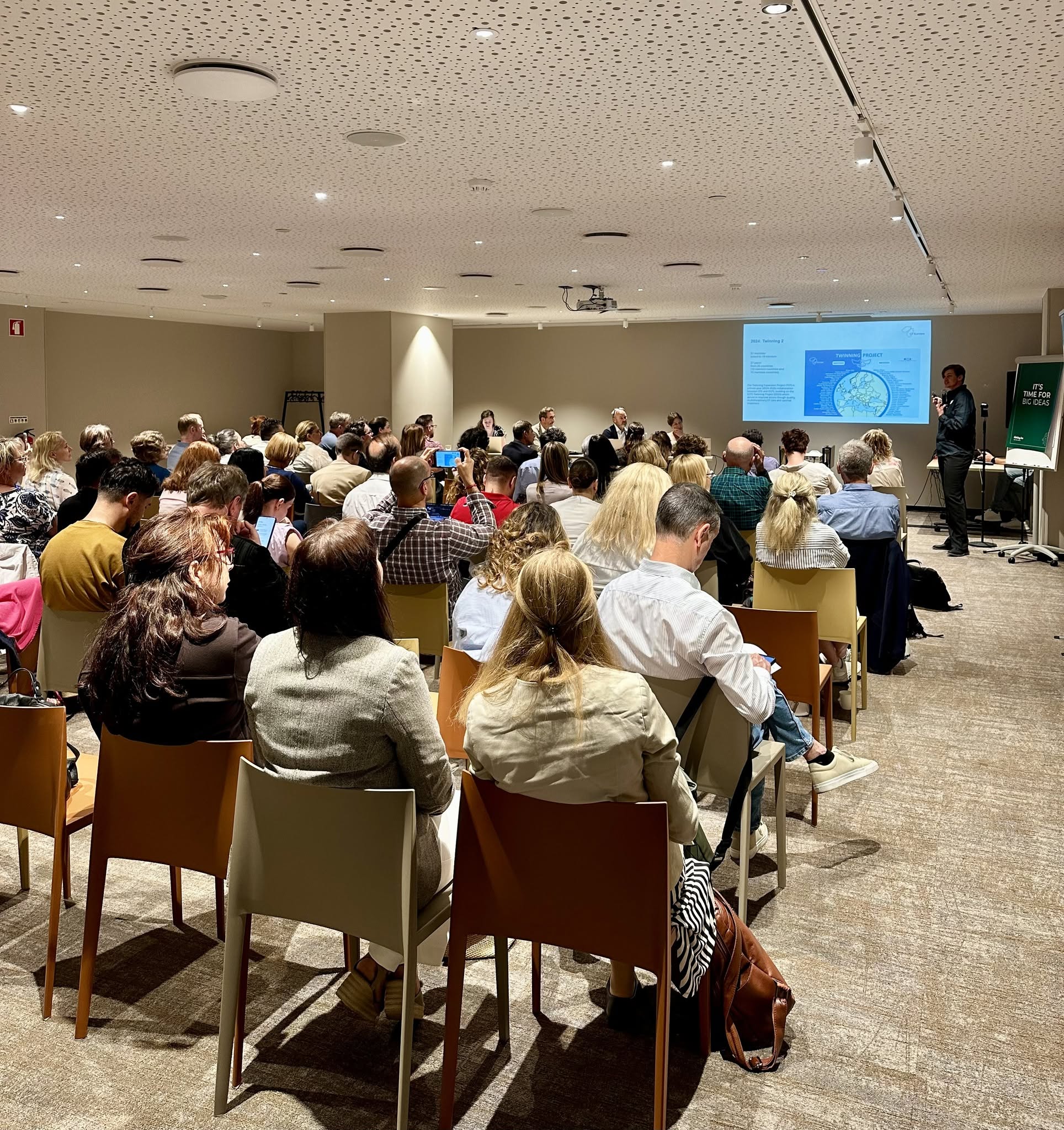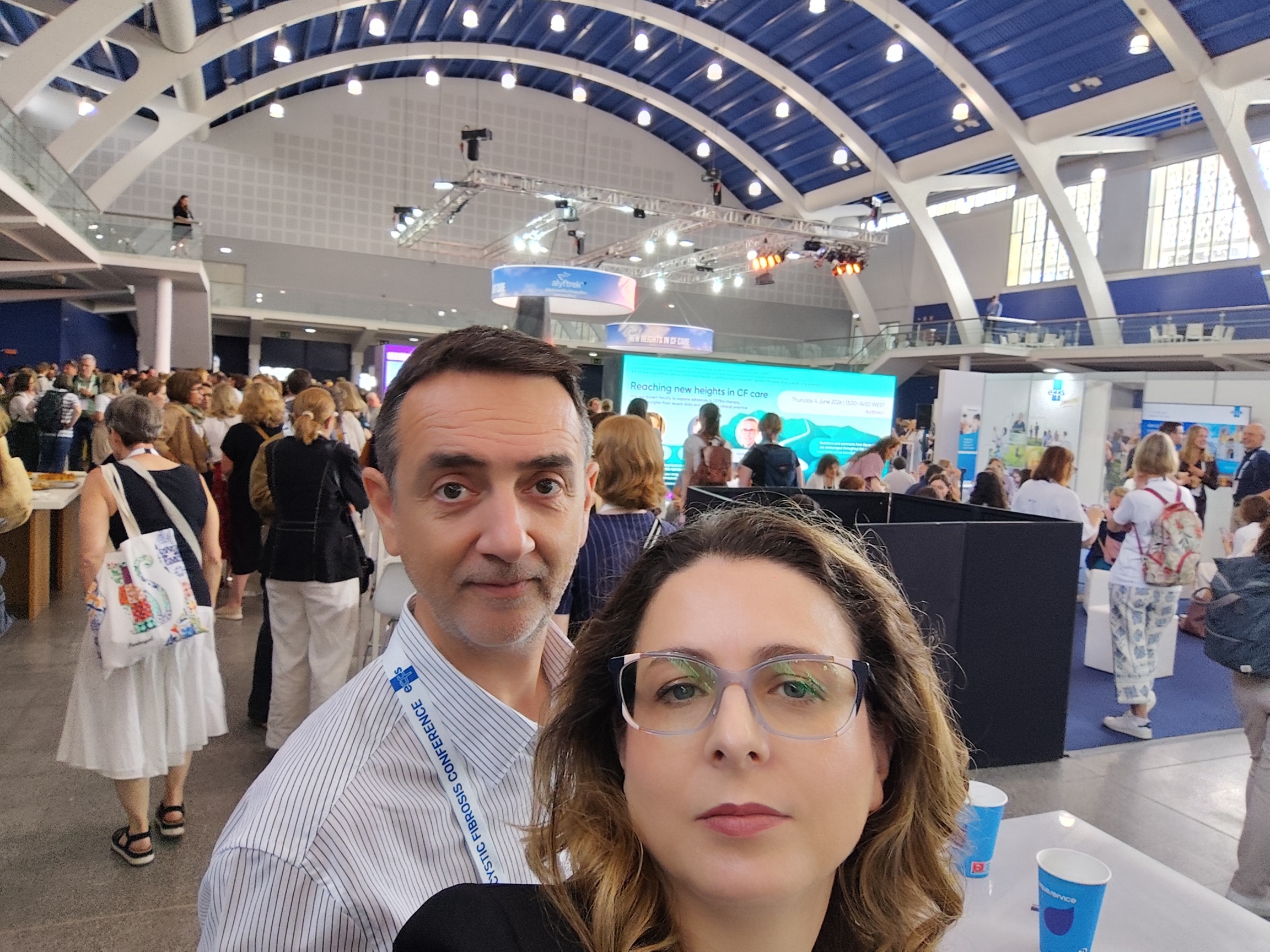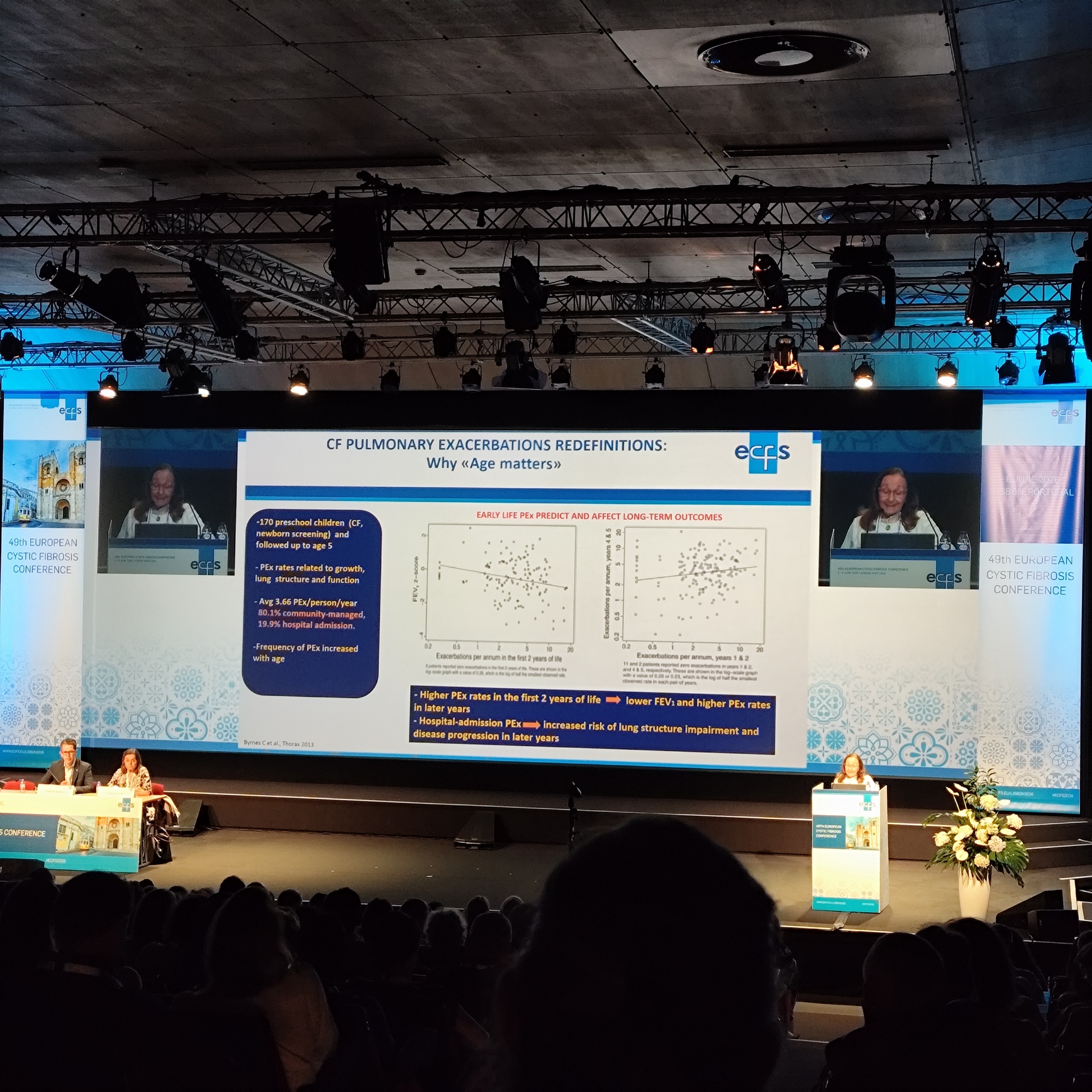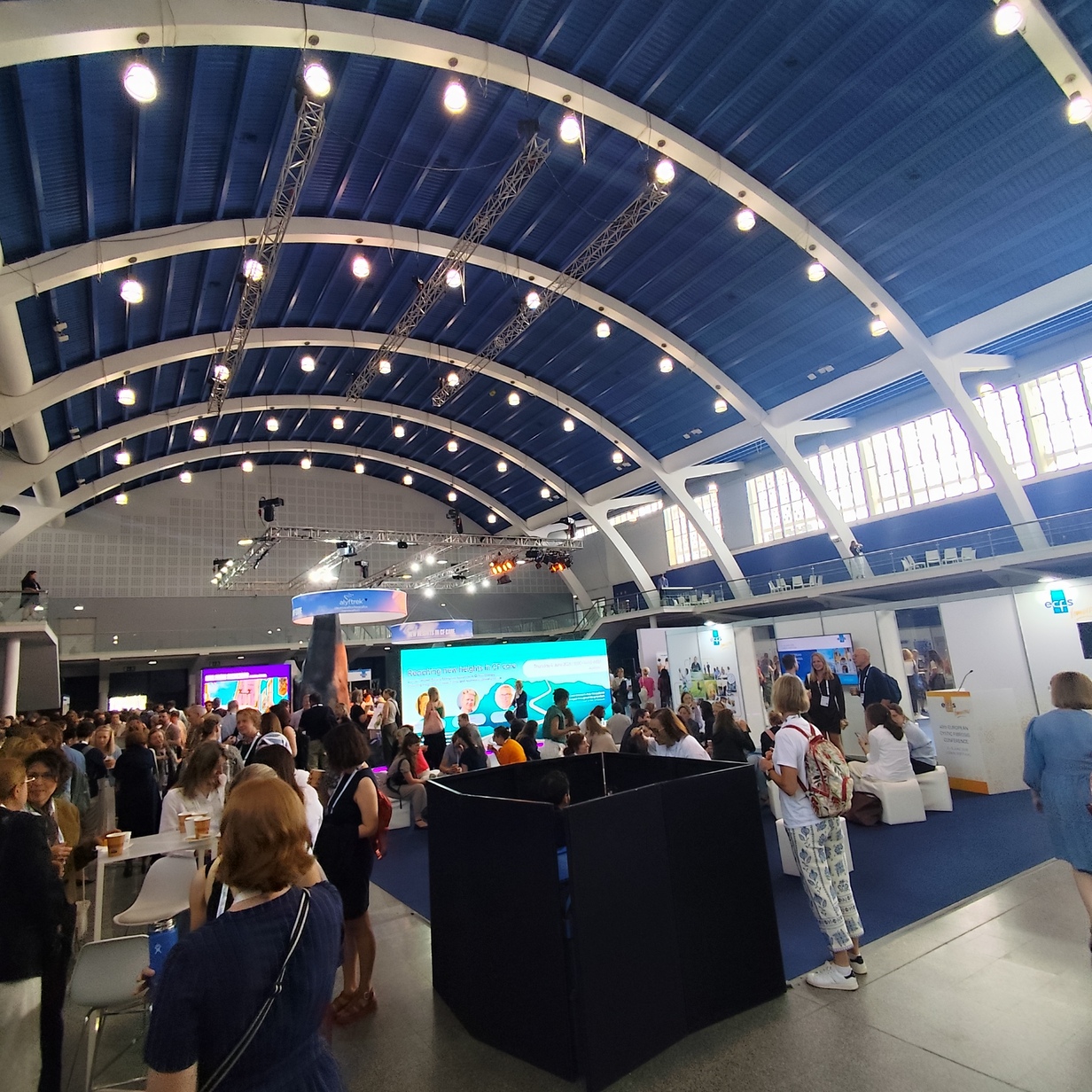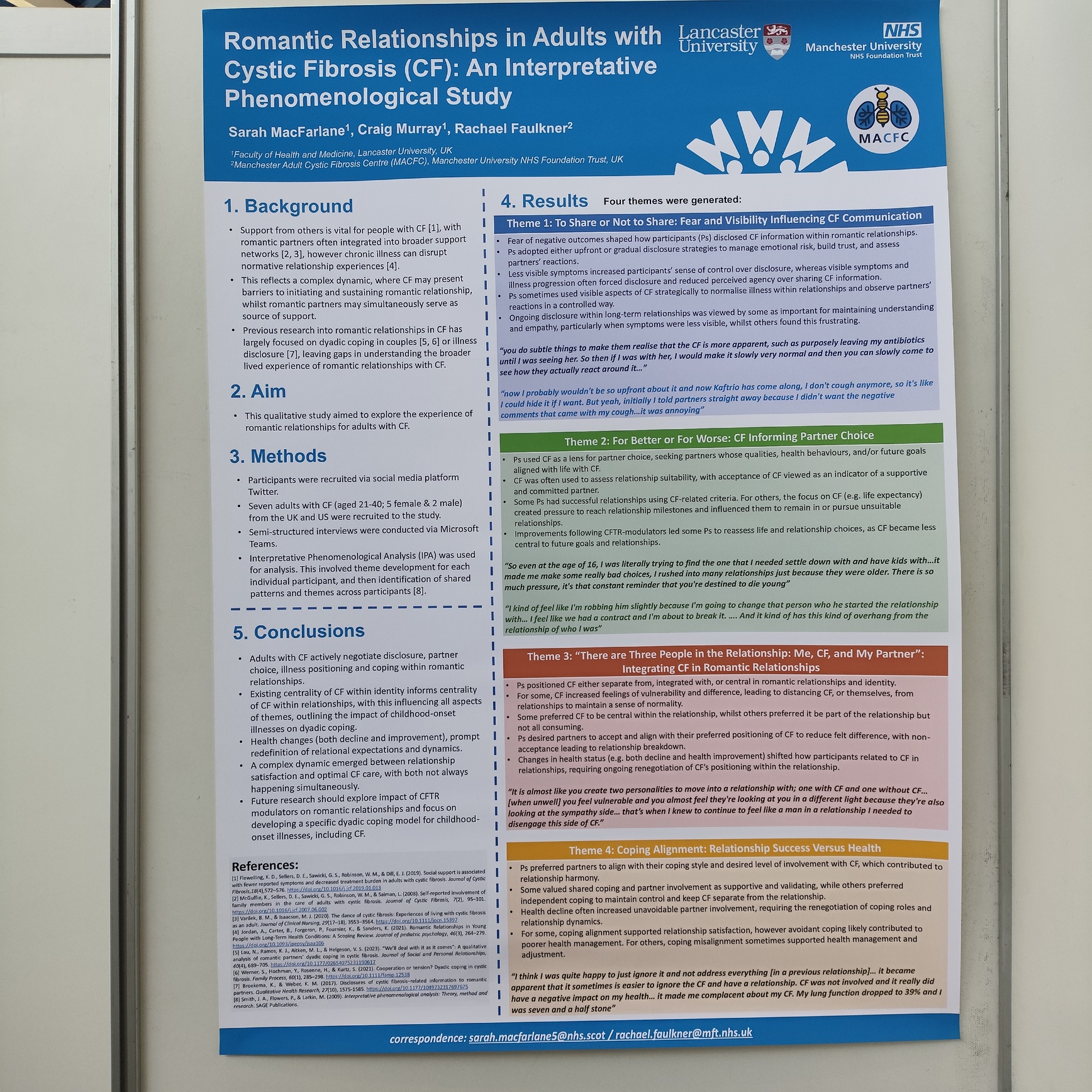


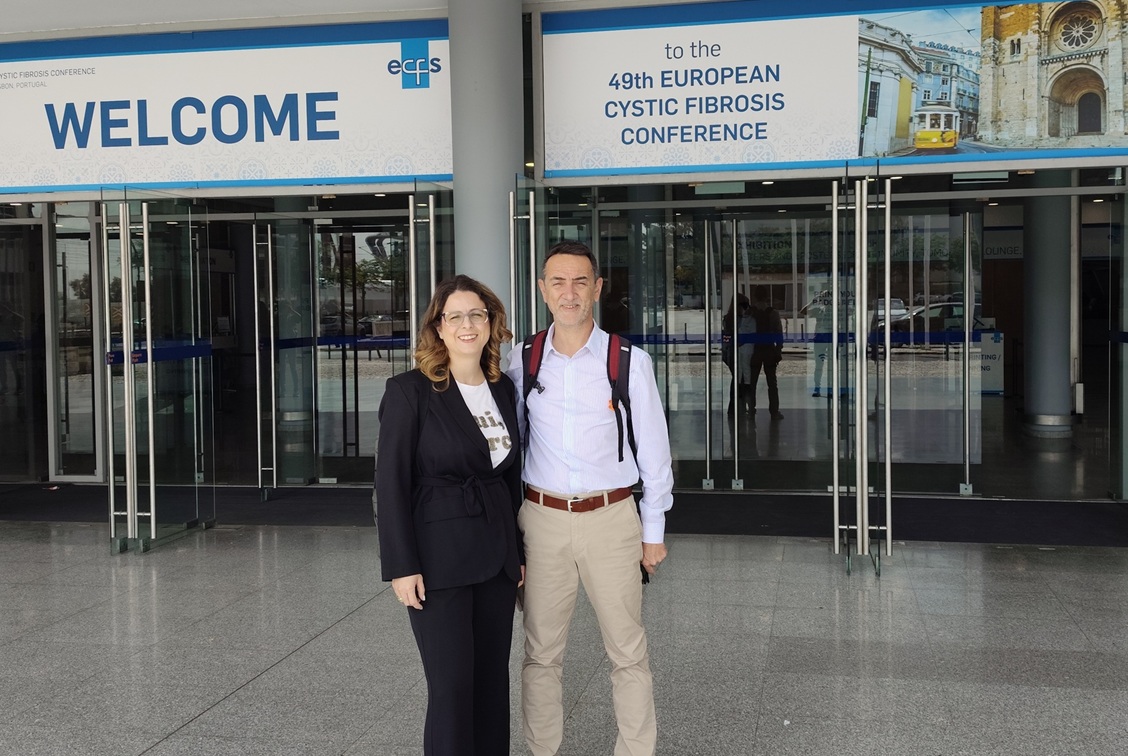
The Panhellenic Cystic Fibrosis Association continued its consistent involvement in the most significant European developments regarding cystic fibrosis through its active participation in the proceedings of the 49th EuropeanCystic Fibrosis Conference (ECFS 2026), held from June 3 to 6, 2026, in Lisbon, Portugal,
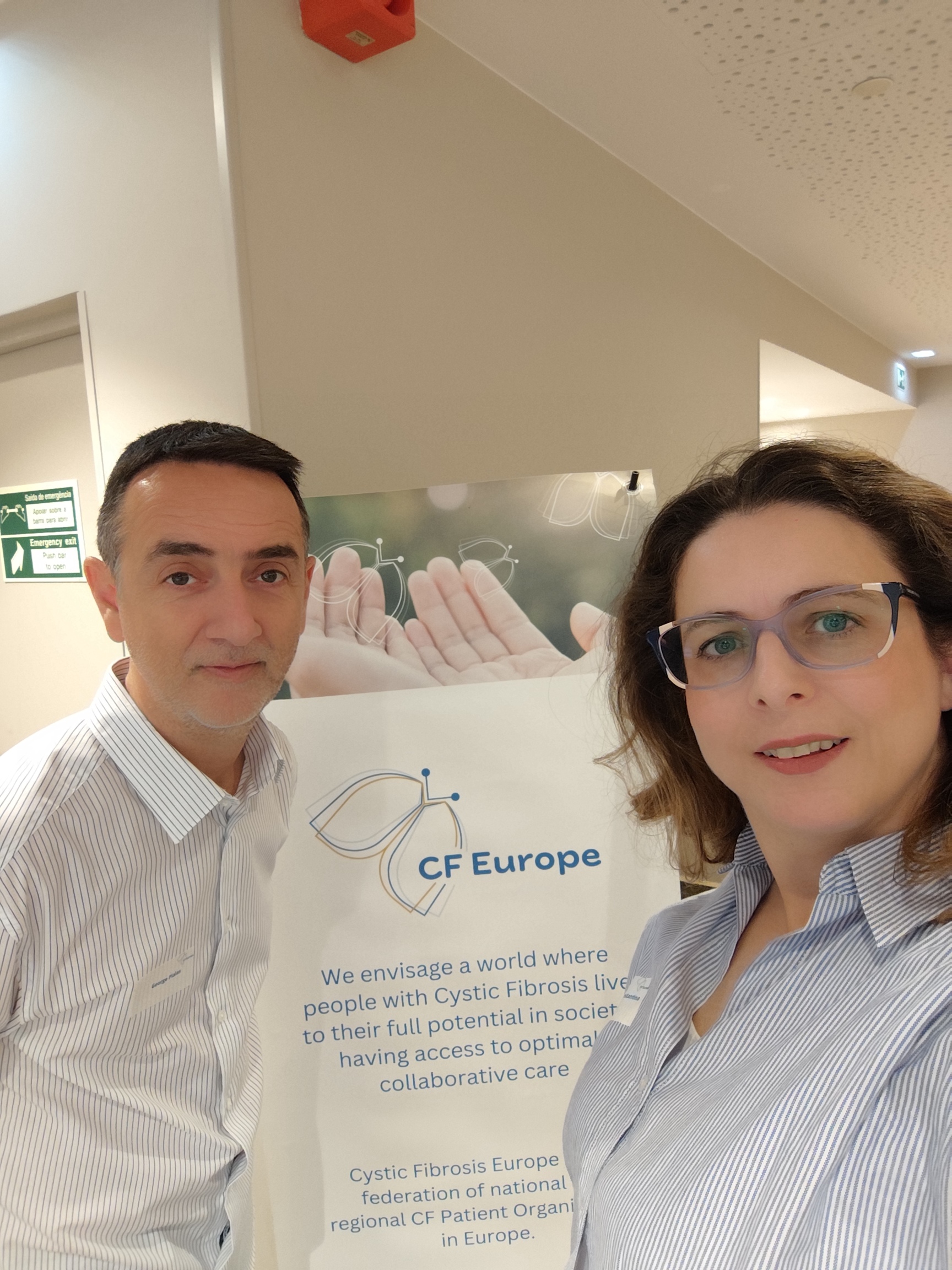
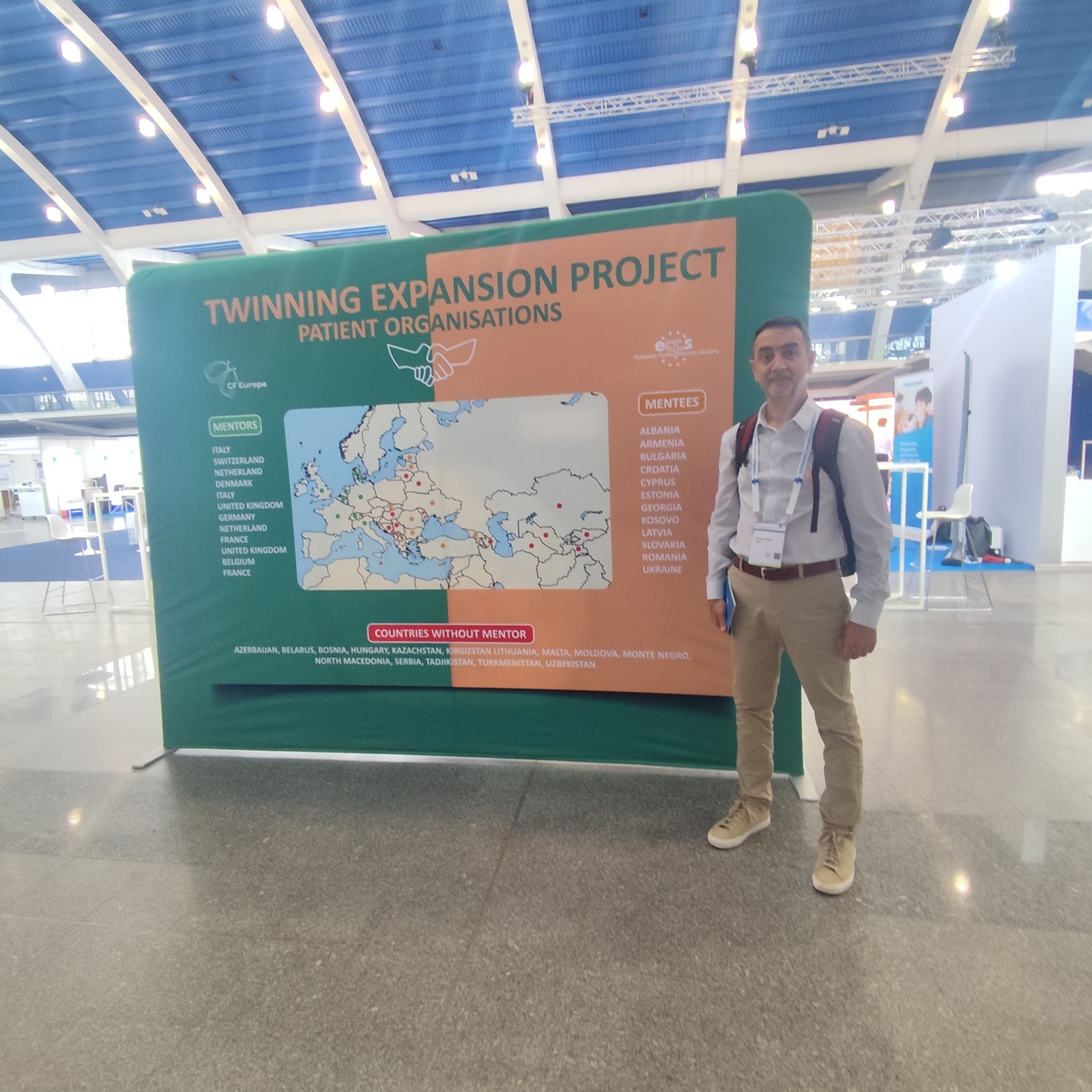
The Association was represented by Vice President Konstantina Giannaki and Secretary General George Plalas, participating in both the scientific sessions of the conference and the parallel events organized by CF Europe, the European Federation of Cystic Fibrosis Patient Organizations.
The annual medical conference of the European Cystic Fibrosis Society (ECFS) is the largest scientific gathering on cystic fibrosis in Europe. This year , it brought together more than 1,500 healthcare professionals, researchers, and representatives of patient organizations from around the world. The conference featured presentations on the most significant scientific advances, the latest research findings, and modern approaches to the care of patients with cystic fibrosis, highlighting the disease’s transition into a new era.
Active Participation of the Association in CF Europe
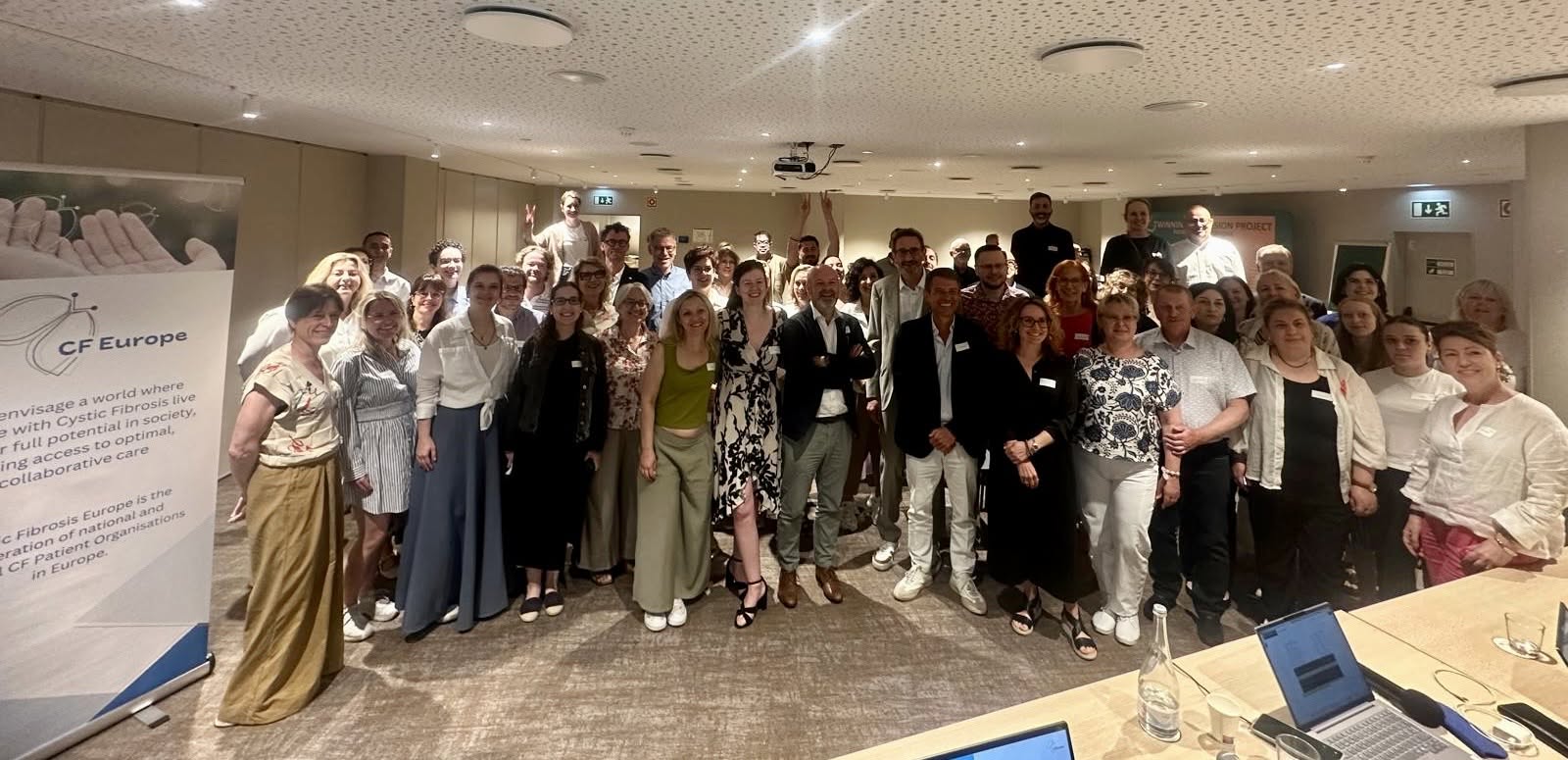
Prior to the start of the medical conference, the annual meeting of CF Europe was held, the European Federation of Cystic Fibrosis Associations, in which the Panhellenic Cystic Fibrosis Association is an active member.
Representatives of the Association attended the Annual General Meeting, where the report on the previous year was presented, the European community’s strategic priorities for the coming years were discussed, and a new member was elected to the CF Europe Board of Directors.
At the same time, they participated in thematic workshops on the future of cystic fibrosis care and on communication and awareness campaigns by patient organizations, with the aim of exchanging best practices, developing more effective awareness-raising initiatives, and strengthening patient involvement in shaping European health policies.
Every year, these meetings provide an important opportunity for collaboration among patient organizations, with the shared goal of improving care, equitable access to innovative treatments, and the exchange of experiences from different healthcare systems across European countries.
A New Era for Cystic Fibrosis
The central message of this year’s scientific conference was that cystic fibrosis has entered a new era. Highly effective CFTR modulator therapies have dramatically changed the natural history of the disease for thousands of people with cystic fibrosis around the world, resulting in improved lung function, fewer pulmonary exacerbations, increased life expectancy, and a significantly enhanced quality of life.
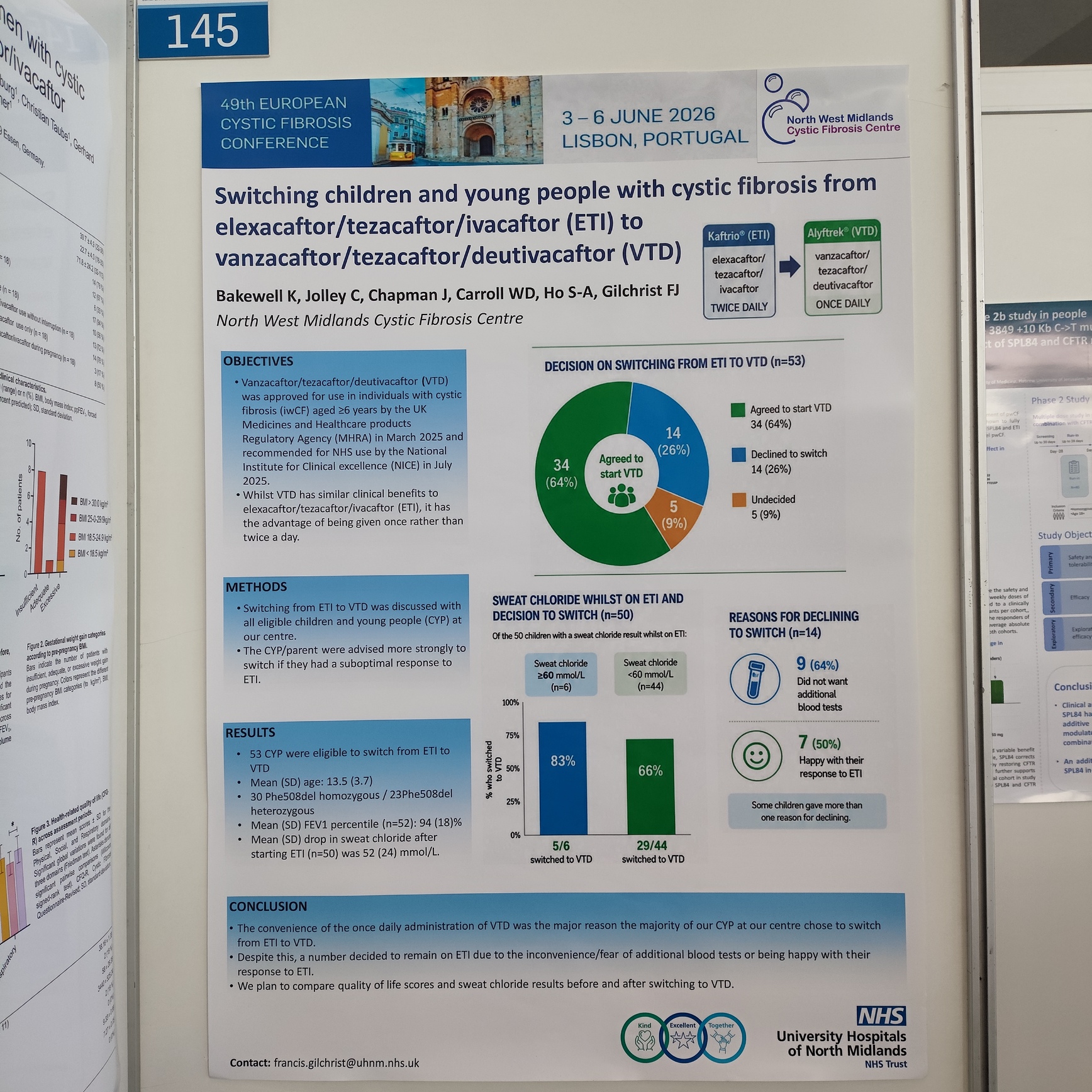
New data were presented in Lisbon on the long-term effects of these therapies, on the potential to reduce the treatment burden in certain cases, as well as on the newest CFTR modulator triple combination of vanzacaftor, tezacaftor, and deutivacaftor (ALYFTREK), which is expected to become another important treatment option for many patients.
The conference also highlighted highly encouraging findings on the use of CFTR modulator therapies in increasingly younger age groups, confirming that initiating treatment early in childhood can prevent irreversible damage to the lungs and other organs, fundamentally changing the long-term course of cystic fibrosis.
Drug Research for Patients with Rare Mutations
A significant part of the conference focused on people with cystic fibrosis who are still not eligible for CFTR modulator therapies because of their rare CFTR gene mutations.
Dr. Anna Borrelli’s research attracted particular interest; she was honored with the 2026 Gerd Döring Award for her work on nonsense mutations (Class I). Preliminary research data indicate that new combinations of molecules can significantly restore the production and function of the CFTR protein in patients’ cells, offering real hope to patients who, until now, have had no effective treatment options.
The message was that research is continuing both for patients who are already benefiting from CFTR modulators and for those who are not eligible for these therapies, with the goal of providing treatment options for all patients with cystic fibrosis.
New Approaches to Patient Care
In addition to CFTR modulator therapies, significant advances were presented in new treatment strategies for managing chronic respiratory infections in patients, which remain one of the disease’s greatest challenges.
Of particular interest were studies on the use of monoclonal antibodies, bacteriophages (phage therapy), and new antimicrobial agents. There was also extensive discussion regarding infections caused by Pseudomonas aeruginosa, nontuberculous mycobacteria (NTM), and fungi.
At the same time, new telemedicine applications, at-home respiratory function monitoring, and artificial intelligence tools (Artificial Intelligence and Machine Learning) were also presented, which aim to contribute to the early detection of disease progression and to even more personalized patient care.
Modern Holistic Care for Cystic Fibrosis
Another important conclusion of the ECFS 2026 Conference was that the modern management of cystic fibrosis now extends beyond the preservation of respiratory function, as people with cystic fibrosis are living longer thanks to new treatments.
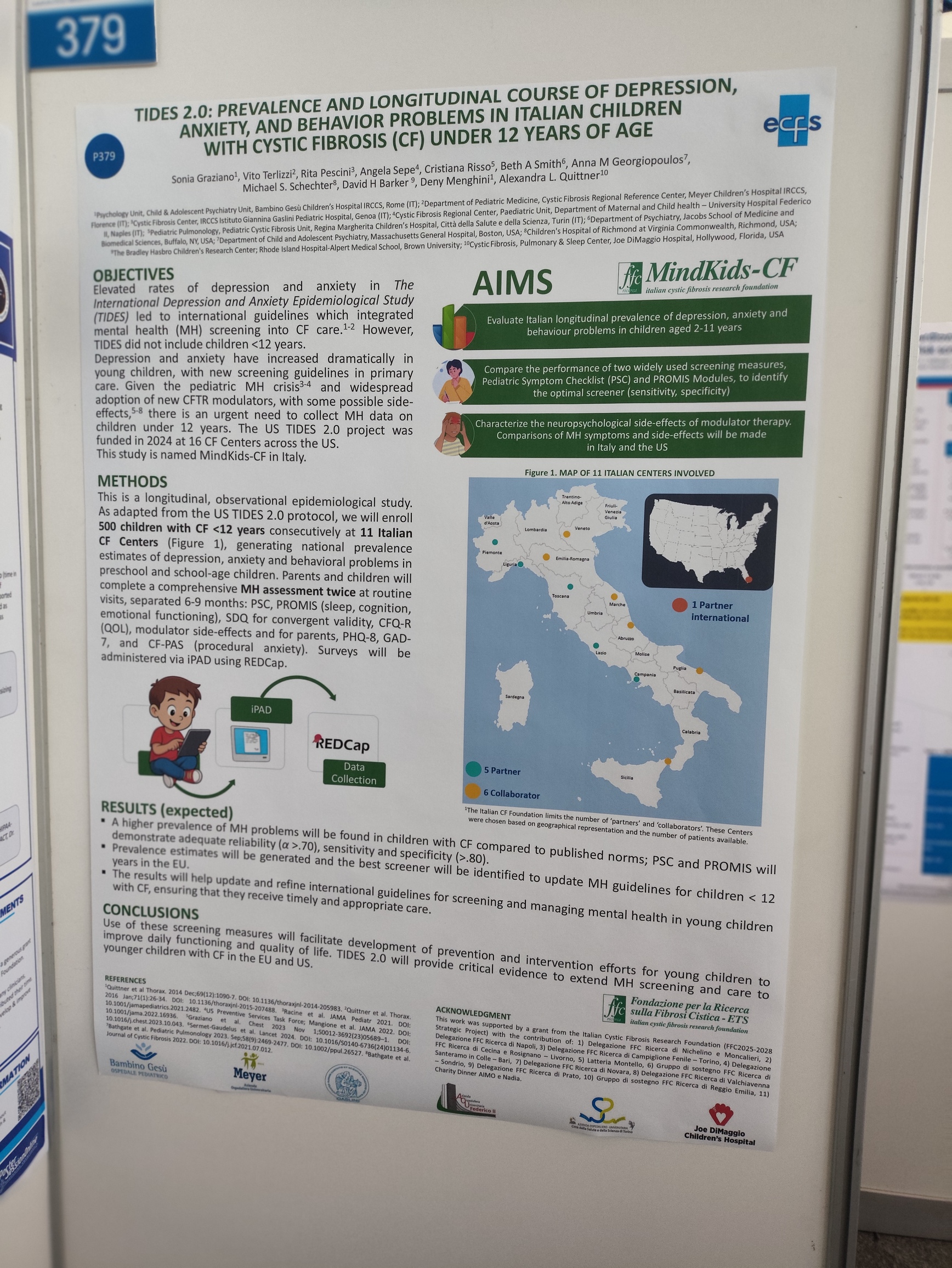
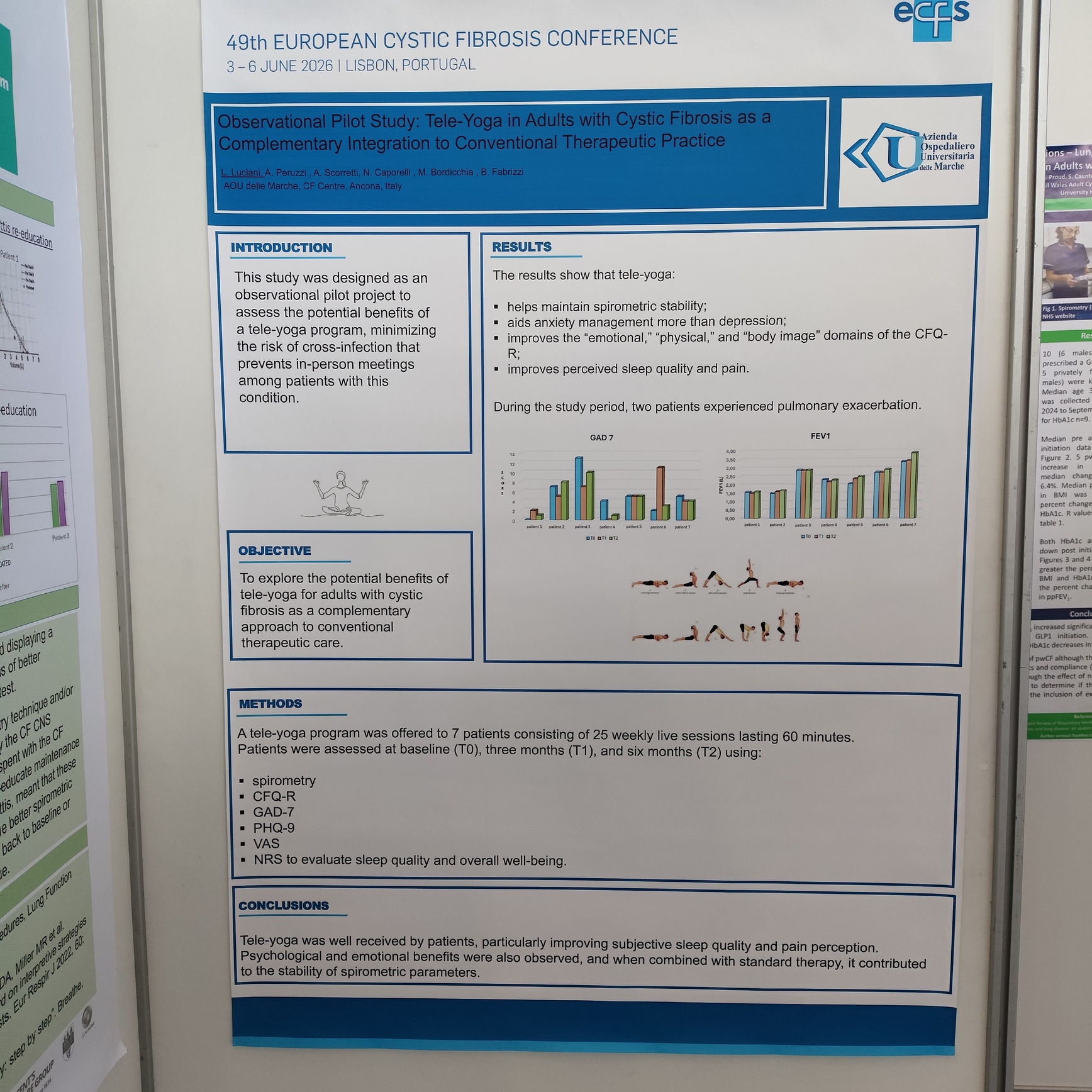
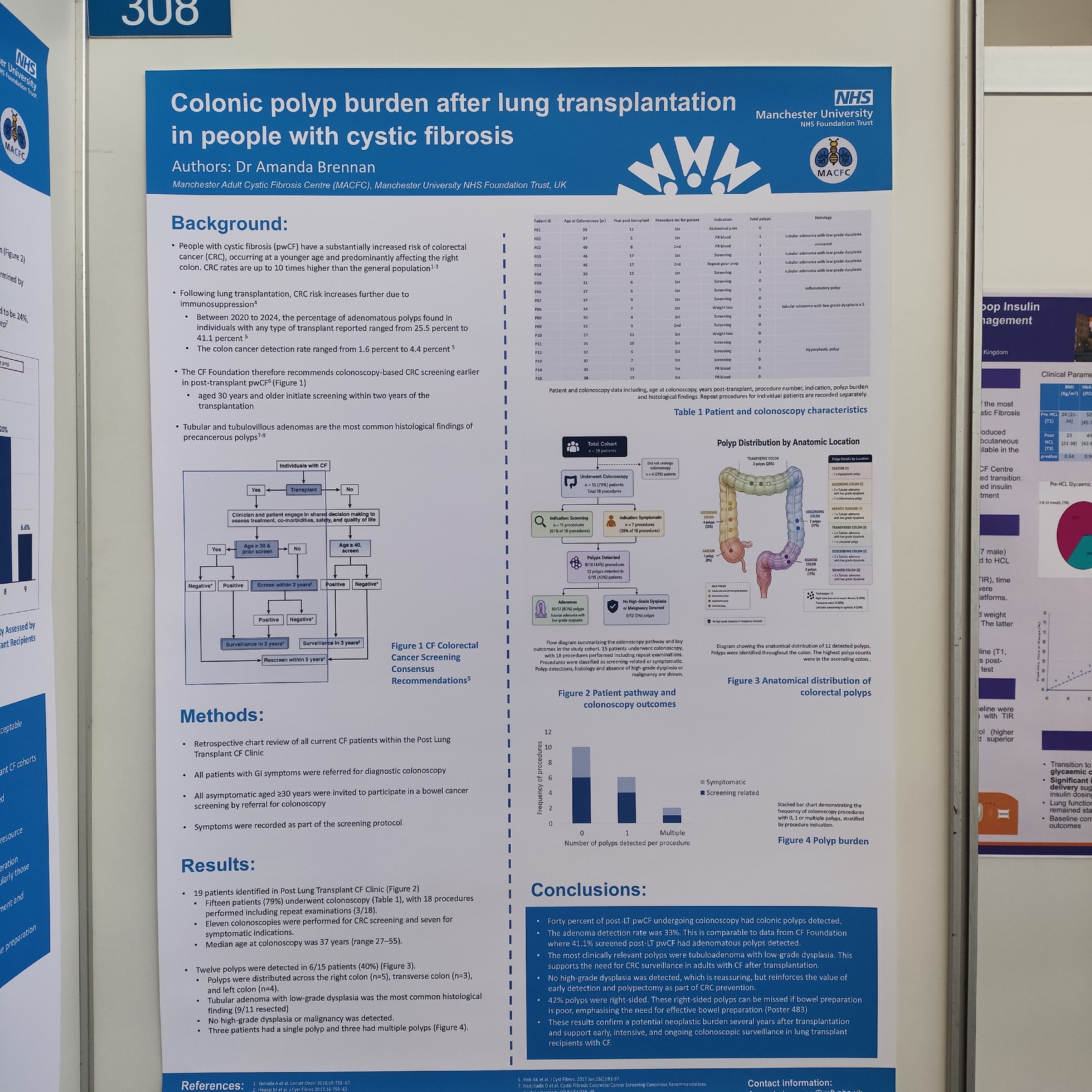
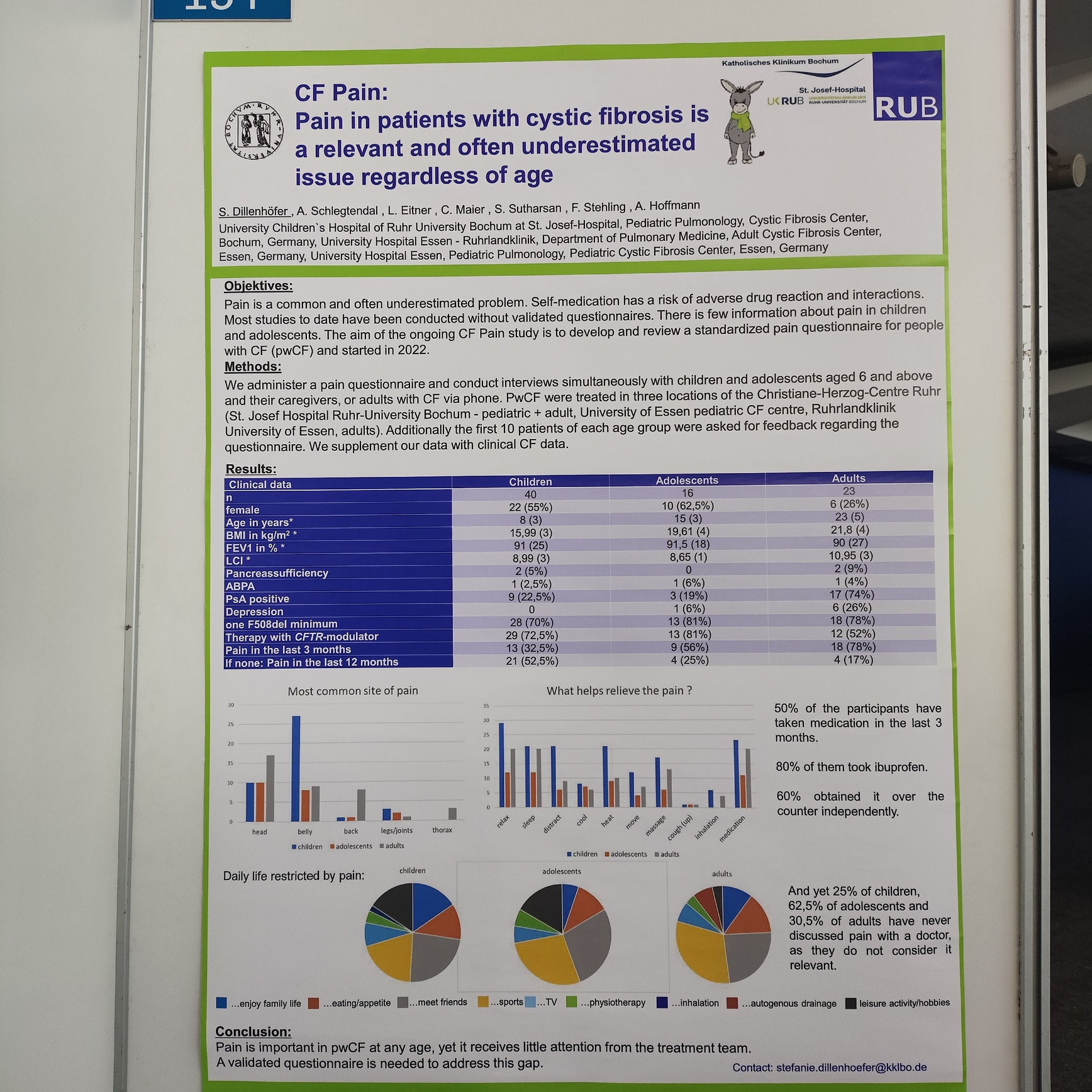
At this year’s conference, studies and presentations were given on topics related to mental health, physical therapy and exercise, nutrition, Cystic Fibrosis-Related Diabetes (CFRD), gastroenterological and liver health, colorectal cancer prevention through screening with colonoscopy, lung transplantation and long-term follow-up of transplant recipients, pregnancy and parenthood, work, social integration, and healthy aging.
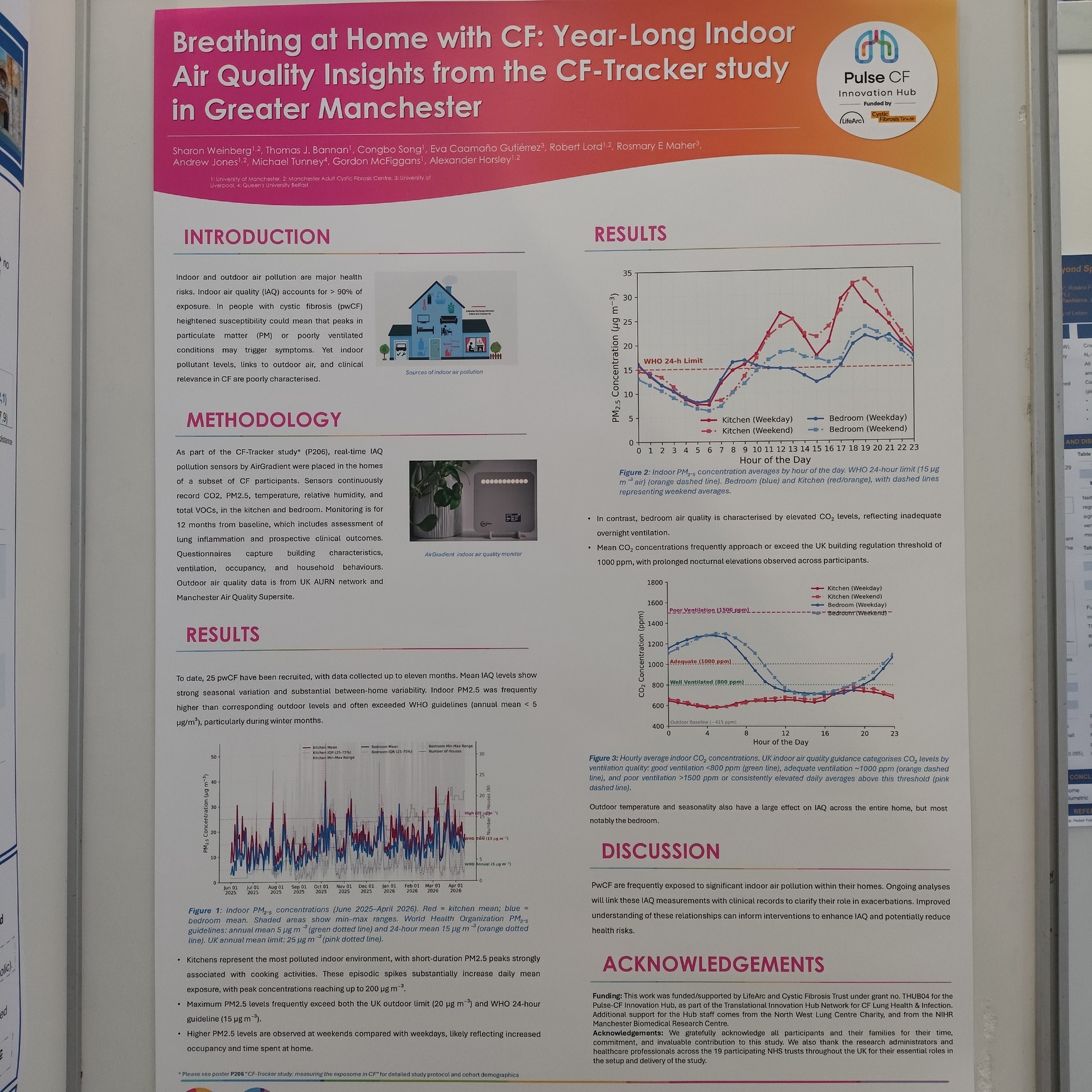
Special emphasis was also placed on public health and prevention issues, such as optimizing neonatal screening, the impact of indoor and outdoor air quality, the effects of vaping, and the role of the microbiome in the progression of cystic fibrosis.
In the past, cystic fibrosis was primarily viewed as a pediatric or exclusively pulmonary disease. Today, it is recognized as a chronic condition that requires holistic, multidisciplinary, and personalized care throughout the patient’s life.
The Vice President of the Panhellenic Cystic Fibrosis Association, Konstantina Giannaki, stated:
“Our participation in this year’s ECFS Conference and the activities of CF Europe was a truly valuable experience and an important opportunity to learn first-hand about the latest scientific advances, while exchanging experiences and best practices with patient organisations from across Europe. The most encouraging message we bring back from Lisbon is that research continues to advance at an impressive pace for everyone living with cystic fibrosis—both for those already benefiting from highly effective CFTR modulator therapies and for people with rare mutations who are still waiting for effective treatment options. Internationally, the conversation is now shifting from ensuring survival to enabling people with cystic fibrosis to live longer, healthier, and better lives. This evolution further strengthens the Hellenic Cystic Fibrosis Association’s commitment to promoting comprehensive, modern, and patient-centred care for all people with cystic fibrosis in Greece.” »
Greek scientific participation
Greece once again had a strong scientific presence at the European Cystic Fibrosis Conference. Physicians and healthcare professionals from all Greek Cystic Fibrosis Centres attended the scientific programme and presented research studies, actively contributing to the international scientific dialogue on cystic fibrosis.
The sustained and active participation of the Greek Cystic Fibrosis Centres in European conferences reflects the high level of scientific expertise within the country and the continuous commitment of multidisciplinary teams to incorporating the latest scientific advances into routine clinical care for people with cystic fibrosis.
The Hellenic Cystic Fibrosis Association congratulates all healthcare professionals in Greece for their valuable contribution to the ongoing advancement of care for people with cystic fibrosis across the country.
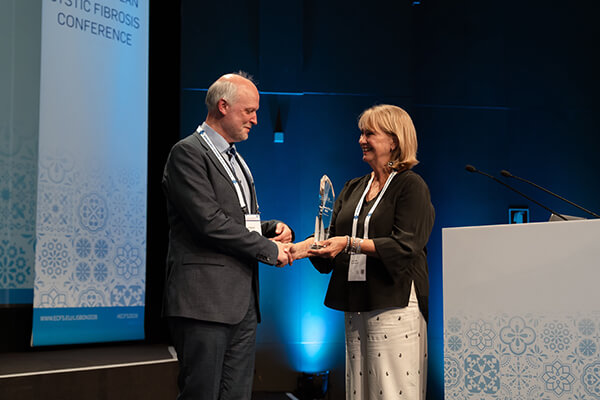
ECFS Awards 2026—The Importance of the European Cystic Fibrosis Registry and the Voice of Patients
The ECFS European Cystic Fibrosis Conference once again provided an important opportunity to honour individuals whose scientific careers and long-standing commitment as patient representatives have played a pivotal role in advancing cystic fibrosis at both the European and international levels.
This year’s top ECFS Award was presented to Professor Lutz Nährlich (Justus Liebig University Giessen) in recognition of his many years of service to clinical research on cystic fibrosis and his decisive contribution to the development and evolution of the European Cystic Fibrosis Patient Registry (European Cystic Fibrosis Society Patient Registry – ECFSPR). As the Scientific Director of the Registry’s pharmacoepidemiological studies and a member of the ECFSPR Steering Group, he has made a significant contribution to the use of Registry data to evaluate new therapies and improve care for people with cystic fibrosis at the European level.
During the conference’s opening plenary session, Professor Nährlich presented the progress of the European Cystic Fibrosis Registry, highlighting its crucial role as a tool that supports research, the evaluation of treatments, and the development of evidence-based health policies for cystic fibrosis.
Professor Nährlich has been a long-standing collaborator of the Panhellenic Cystic Fibrosis Association and has repeatedly participated as a guest speaker at the Panhellenic Cystic Fibrosis Conference , informing the Greek community about the latest developments regarding European registries and their significance.
Anna Spinou, President of the Panhellenic Cystic Fibrosis Association, stated:
“Professor Lutz Nährlich’s award is a truly well-deserved and deeply meaningful recognition of his many years of outstanding contribution to the European cystic fibrosis community. We have had the privilege of working closely with him for many years, both through our Association’s long-standing contribution to the European Cystic Fibrosis Society Patient Registry (ECFSPR) and through his participation as an invited speaker at the Hellenic Cystic Fibrosis Conference.
As the patient representative on the Working Group of the National Cystic Fibrosis Registry of the Greek Ministry of Health, I know first-hand that patient registries are invaluable tools that transform the experiences of thousands of people with cystic fibrosis into evidence that drives better treatments, higher-quality care, and more informed health policies.
Professor Nährlich’s recognition honours not only an exceptional scientist, but also the power of international collaboration between researchers, healthcare professionals, and patient organisations—a collaboration that is essential to ensuring continued progress in cystic fibrosis care and research.”
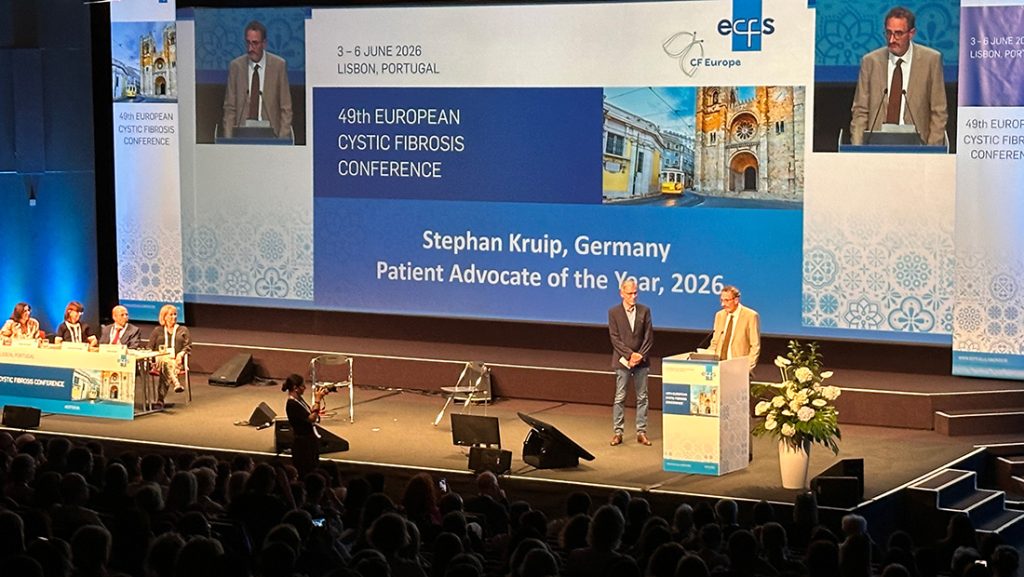
The award Patient Advocate of the Year 2026 was given to the patient Stephan Kruip from Germany, one of the most active and long-standing patient advocates in the European cystic fibrosis community. His decades of commitment to championing patients’ rights, advancing research, and promoting equitable access to innovative therapies have been recognised by the European cystic fibrosis community as an outstanding contribution to improving the lives of people with cystic fibrosis.
This annual award highlights the crucial role that people living with cystic fibrosis and patient organizations play in advancing research, improving care, and shaping European health policies.
The Importance of International Collaboration on Cystic Fibrosis in Greece
The Association’s participation in the 49th European Cystic Fibrosis Conference and CF Europe’s annual meetings reaffirms the Hellenic Cystic Fibrosis Association’s ongoing commitment to engaging with international developments, strengthening collaboration with the European cystic fibrosis community, and bringing to Greece the knowledge and best practices that are shaping the future of cystic fibrosis care.
Science is advancing rapidly. New treatments, innovative research approaches, and an increasingly holistic approach to the care of patients with cystic fibrosis are giving rise to well-founded optimism for the future.
The Hellenic Cystic Fibrosis Association remains firmly committed to contributing to European initiatives, supporting research and both the National and European Cystic Fibrosis Patient Registries, and advocating for equitable access for all people with cystic fibrosis to innovation, new therapies, and high-quality multidisciplinary care—working towards a future where everyone can live with “Unlimited Breath.”